
What if you could wave at a friend sixty times in one second?
Sounds like a superhero stunt, right?
For some birds, that’s just another day at the gym.
Dr. Mark Fuxjager from Brown University studies birds whose courtship and fighting moves would put Olympians to shame….backflips, lightning-fast wing snaps, and neck drumming at breakneck speed. He says these birds aren’t just showing off. They’ve evolved what he calls a “hormone upgrade.”
“The speed of these movements simply wasn’t possible without a performance boost — and hormones are a good way to do it,” he explains.
For decades, scientists believed hormones like testosterone worked mainly in the brain — controlling aggression, mating, or motivation. But Fuxjager’s research reveals a plot twist: some birds’ muscles themselves are wired to respond directly to hormones.
In other words, the bird’s body doesn’t just follow orders from the brain, it’s part of the performance.
These special “athletic muscles” act like built-in boosters, making movements faster, stronger, and more precise. “Most nucleated cells in the body are sensitive to hormones,” says Fuxjager, “so it makes sense that muscles could use them to support behaviour too.”
Imagine if humans had that trick.
“Maybe you’d be able to wave at a friend at a frequency of nearly 60 waves per second,” Fuxjager laughs. “That’s fast — right now, you’d be lucky to manage five.”
Among all the species he’s studied, Fuxjager admits he’s partial to woodpeckers. “The way these birds drill and drum to build shelters and talk to rivals is amazing to me,” he says. Their heads and neck muscles are tuned for perfect rhythm, a natural percussion act powered by hormones and evolution.
Could these super-muscles make birds more vulnerable to habitat changes or pollution? Fuxjager says it’s possible, but still unknown. “Hormones have lots of effects on muscle, and environmental changes influence hormones. So, is it possible? Yes- but the mechanisms are not yet understood.”
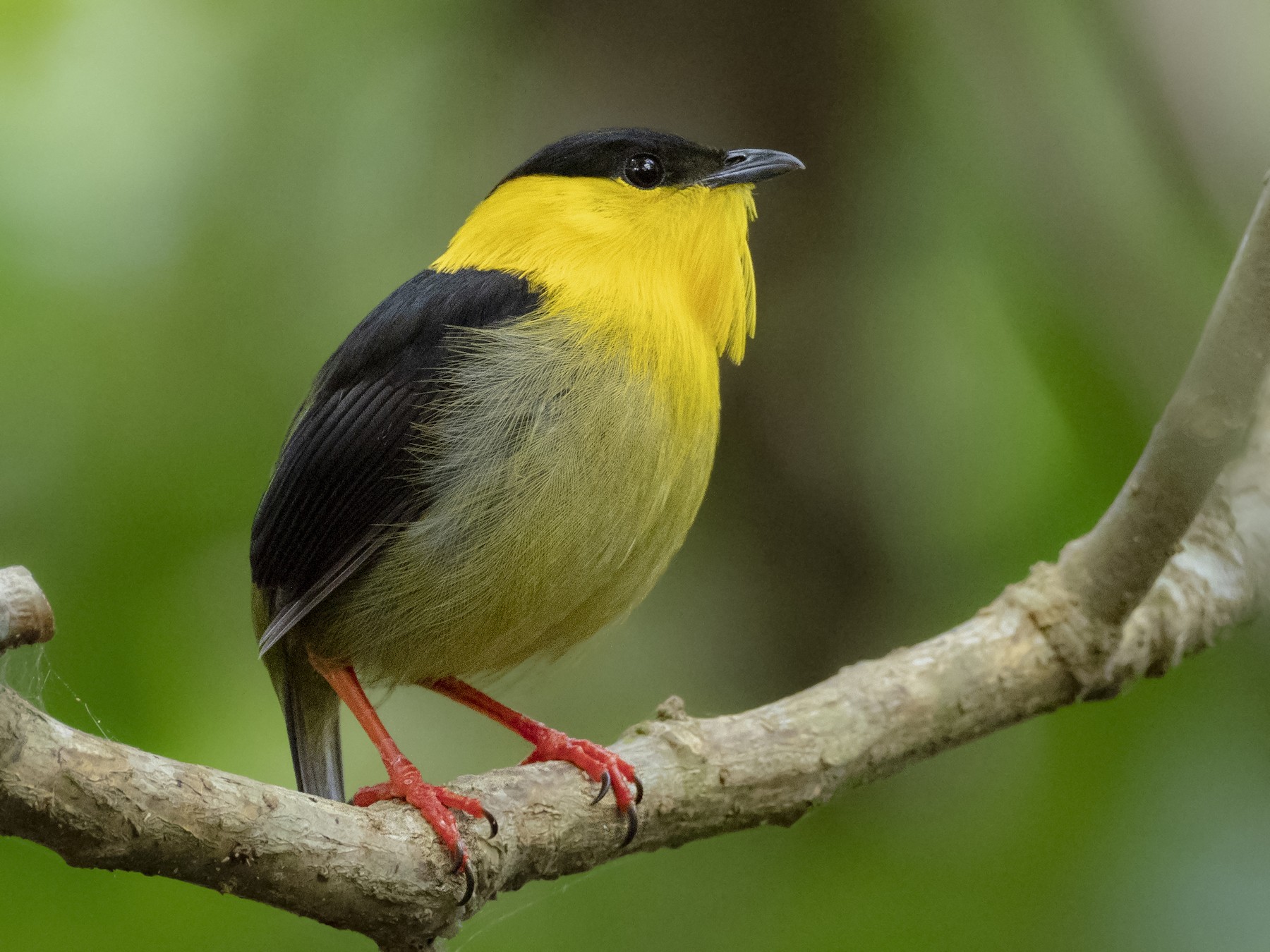
From woodpeckers to tropical manakins that clap their wings like castanets, nature has engineered athletes that move faster than our eyes can follow.
And while we humans are busy lifting weights and tracking steps, these birds are out there- dancing, drumming, and showing that in nature’s gym, performance is everything.