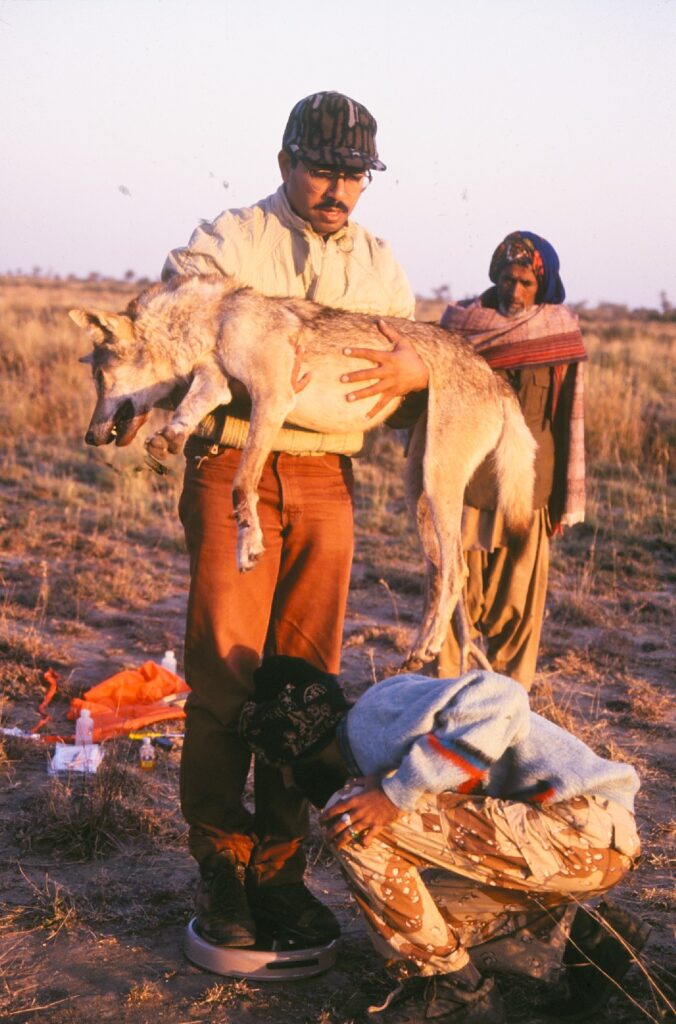
In the hierarchy of India’s wildlife icons, the tiger rules the spotlight. But there is another predator — older, rarer, and closer to disappearing — that barely registers in our national consciousness. On Wolf Day, one of India’s most respected carnivore scientists, Dr. Yadvendradev “Y.V.” Jhala of the Wildlife Institute of India, lays bare the truth.
“There are about 2,000–3,000 wolves surviving in India — much fewer than tigers — yet there is no focused conservation project or policy for them.”
It’s a startling comparison. Wolves share the Schedule I status of legal protection with tigers, yet enforcement in their case is fraught. “Since most wolf populations live in agro-pastoral landscapes outside protected areas, they are still highly persecuted — poisoned and their dens smoked to kill pups,” Dr. Jhala says.
The threats don’t stop there. “Wolf populations across India are on the decline due to human persecution, loss of wild prey and habitat, and the increasing road network with fast traffic — which takes a heavy toll as we do not have wildlife passageways planned for our highways unless they pass through a protected area.”
And these aren’t just any wolves. India’s wild canids are living relics of prehistory.
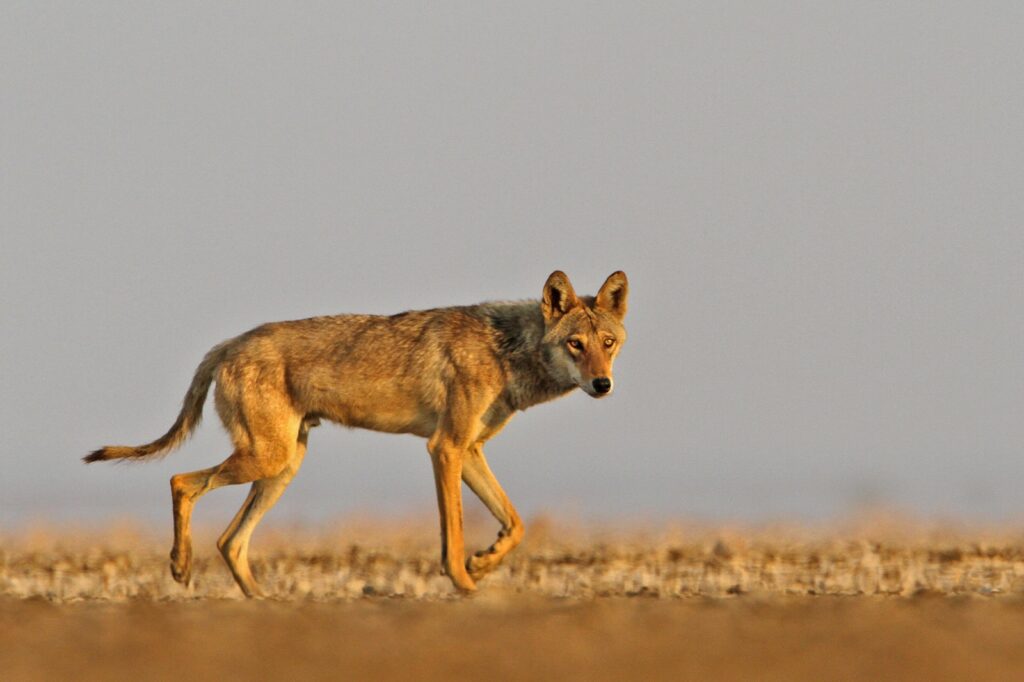
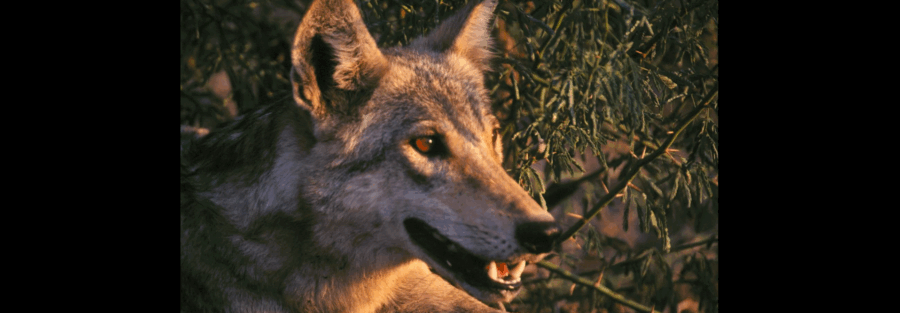
“There are two wolf lineages in India — the Plains wolf and the Himalayan wolf. Both are very ancient and the oldest form of wolves surviving on the planet. They are distinct from all other wolves of the world, from which they diverged 750,000 to 1,000,000 years ago.”
They are masters of their environments: “The Himalayan wolves for high altitude, and the Plains wolf to warm arid climates — having both morphological and physiological adaptations.” One myth he’s keen to dismantle: “All the dogs in India have come along with humans, and Indian wolves had no role to play in their domestication.”
Yet these ancient predators are among the most despised. “Wolves are amongst the most hated animals — rarely are communities tolerant towards them,” he says. Recent child attacks in Bairach attributed to a wolf have “added fuel to the fire, especially due to sensationalised media reporting.”
The truth, he insists, is different from the fear. “Very rarely are wolves dangerous to humans. A rabid wolf will attack people just like a rabid dog. Wolves do not view humans as prey.” The rare cases of attacks on children, he explains, often involve “parental neglect, extreme poverty and associated open housing and toilet facilities, where livestock is more guarded than children,” or “wolves habituated to people, such as captive wolves that have been released in the wild.”
Numbers tell their own story: “Loss of human life to wolves has been about 0.8 per year compared to about 40 for tigers, ~250 for leopards, 50000 due to snakebites and 1,50,000 to car accidents over the past 10 years.”
His message is clear, precise, and urgent:
- “Educate local communities that wolves are not dangerous to people.”
- “Pay compensation for livestock killed by wolves.”
- “Protect the denning habitats of wolves between November to February when the pups are vulnerable and less mobile in their dens.”
- “Ensure that poison is not used to kill wild animals.”
On a day meant to celebrate them, Dr. Jhala’s words are not just a call to awareness — they are a warning. Without immediate action, India risks losing not just a species, but one of the oldest branches of the wolf family tree still standing on Earth.