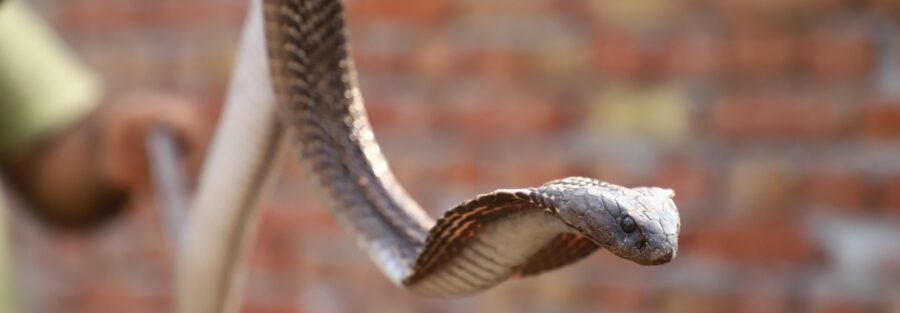
With the monsoon gradually setting in across Uttar Pradesh, snake activity in the region is expected to increase. As rainfall begins to disturb their natural habitats, reptiles – particularly snakes, are more likely to surface in search of dry shelter and warmth, often bringing them into human settlements. Based on trends from previous years, Wildlife SOS is focusing on spreading awareness about preventive actions and responsible behaviour to minimise conflict and ensure the safety of both snakes and human beings. Over the years, Wildlife SOS has observed a notable rise in reptile rescues during the monsoon, coinciding with the hatching period of several native snake species. As water levels rise and their natural shelters are disturbed, snakes often move into human-dominated landscapes seeking dry refuge and warmth. “Monsoon is a critical period when human-snake encounters become more frequent,” said Kartick Satyanarayan, Co-founder and CEO of Wildlife SOS. “Rather than react in panic, people can protect themselves by understanding snake behaviour and taking simple, preventive steps. Most snakes are non-venomous and play a vital role in keeping rodent populations under control.” During past monsoon seasons, snakes such as the spectacled cobra, common krait, Indian rock python, common wolf snake, Indian rat snake, and Black-headed royal snake have frequently been rescued from homes and commercial areas in Agra and Mathura, often displaced by waterlogging or flooding. To help prevent such encounters, Wildlife SOS recommends keeping surroundings clean and rodent-free, sealing drains and cracks, storing waste off the ground, and avoiding barefoot walks in grassy or waterlogged areas. If a snake is spotted, do not provoke or handle it – call the Wildlife SOS emergency rescue helpline (+91 9917109666) for safe assistance. Baiju Raj M.V, Director- Conservation Projects at Wildlife SOS, said “We want to equip people with facts, not fear. Understanding that most snakes are shy and non-aggressive can help prevent unnecessary harm to both humans and animals.”