
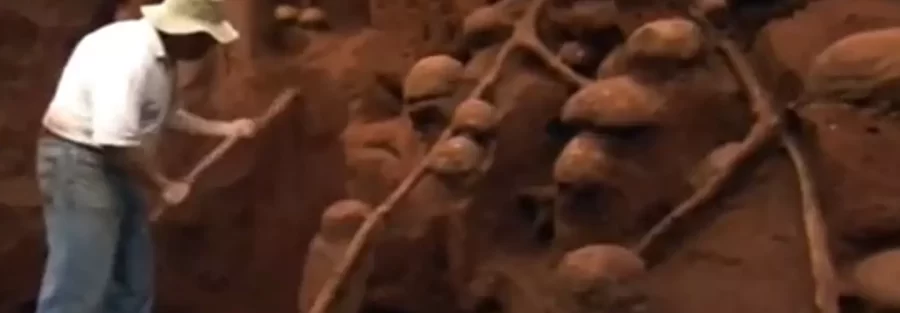
Scientists conducting a study of abandoned ant colonies were stunned to uncover what can only be described as an underground “mega-city” engineered by ants. The discovery came after researchers poured tons of cement into the deserted colony to map its internal structure. Once the cement solidified, they carefully excavated the site, revealing an intricate network of tunnels, chambers, and ventilation shafts that spanned several meters underground.
The colony displayed a level of sophistication and efficiency that astonished researchers. Every tunnel and chamber served a specific purpose, with the layout optimized for ventilation, waste removal, and the storage of food. The design also facilitated the movement of millions of ants, showcasing their ability to cooperate and adapt to environmental challenges.
What made the discovery even more remarkable was the scale of the construction. Scientists estimated that the ants had shifted tons of earth to create the colony, making it comparable to humans building the Great Wall of China—relative to their size.
This finding highlights the incredible engineering capabilities of ants, achieved without central leadership. It offers new insights into collective behavior and could inspire advancements in architecture, robotics, and sustainable design by mimicking nature’s strategies for efficiency and collaboration.